Views: 0 Author: Site Editor Publish Time: 2026-09-01 Origin: Site


Glostar's approach to prefabricated clean rooms highlights the importance of new materials and design solutions in maintaining optimal performance. Their sandwich panels, rated 9.9, significantly improve air quality control and energy efficiency within clean environments. main aspects such as compliance and sustainability are at the forefront of Glostar's development strategies. By integrating advanced materials that minimize contamination risks, they provide essential support to industries requiring stringent cleanliness standards. The modular construction methods Glostar employs not only improve installation efficiency but also allow for adaptability in design as industry needs evolve. Tackling challenges like material compatibility and precise installation showcases Glostar's commitment to quality across all applications. As the demand for cleaner environments continues to grow, Glostar's contributions set a benchmark for both operational excellence and environmental sustainability in cleanroom technology.
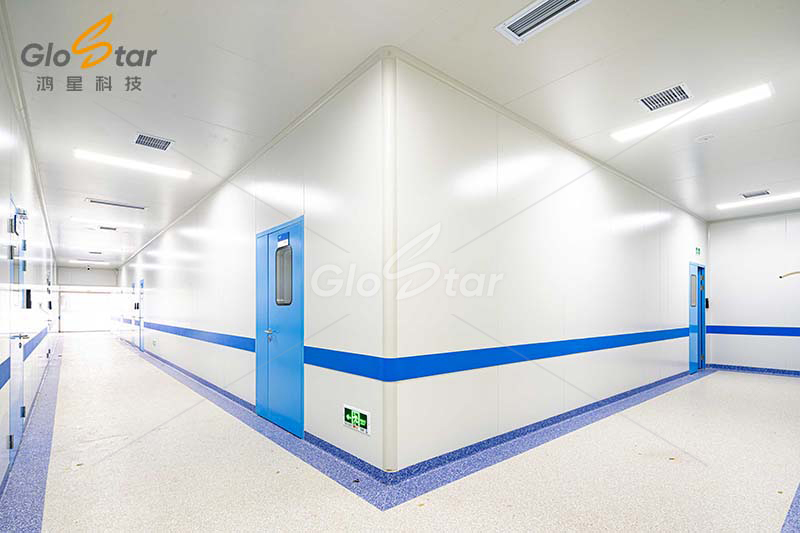
Choosing the right materials for cleanrooms is important for maintaining the integrity of controlled environments. Various industries, from pharmaceuticals to electronics, require stringent standards regarding airborne particles and microbial presence. The materials used help mitigate contamination risks and ensure optimal performance. For instance, specialized stainless steel and anti-static boards play a vital role in environments needing high cleanliness levels. These materials are not just about cleanliness; they also offer durability and resistance to harsh cleaning agents. As industries evolve, the demand for new materials grows, pushing manufacturers like Glostar to develop solutions that address emerging challenges in cleanroom construction. These enhancements are essential not only for compliance with industry standards but also for promoting efficiency and sustainability in operations.
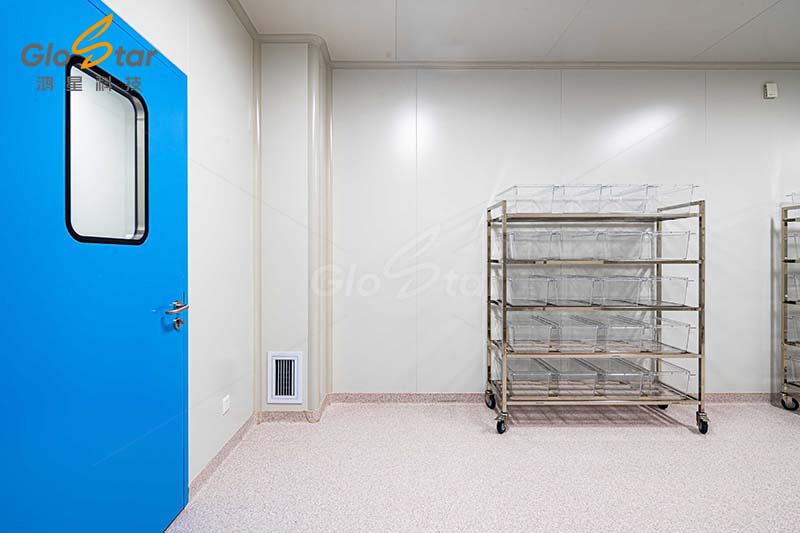
Glostar is at the forefront of cleanroom solutions, focusing on advanced materials and technologies that improve performance in controlled environments. Their new sandwich panels are designed to meet rigorous industry standards, providing a balance of insulation, durability, and antimicrobial properties. These panels significantly minimize particle contamination while supporting temperature and humidity control, which are critical for industries like pharmaceuticals and electronics manufacturing. Furthermore, Glostar employs cutting-edge modular design principles that streamline installation processes, leading to reduced construction times and improved efficiency. The integration of self-cleaning materials also adds an extra layer of convenience and maintains the cleanliness required for high-stakes manufacturing processes. With these advancements, Glostar continues to redefine expectations within the cleanroom construction sector, demonstrating a commitment to innovation that truly meets the challenges of modern industry demands.
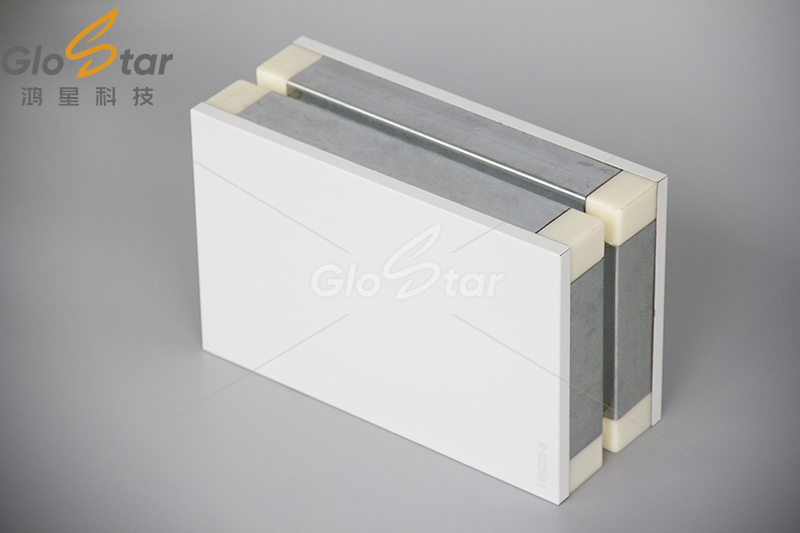
Glostar focuses on new design solutions tailored for prefabricated clean rooms, enhancing functionality and versatility. One important approach involves modular construction, allowing for rapid assembly and flexibility in layouts. This method accommodates various industry needs by enabling tailored designs that can be adjusted as requirements evolve. Glostar also prioritizes the integration of advanced materials that improve performance, including their signature sandwich panels, recognized for superior thermal insulation and soundproofing. Moreover, the emphasis on customizable dimensions and configurations allows clients to maximize space while adhering to stringent cleanroom standards. Collaboration with engineers ensures optimal airflow management and contamination control, critical aspects in maintaining sterile conditions across multiple applications. These design solutions embody Glostar's commitment to delivering environments that not only meet compliance but also encourage operational efficiency wherever controlled conditions are necessary.
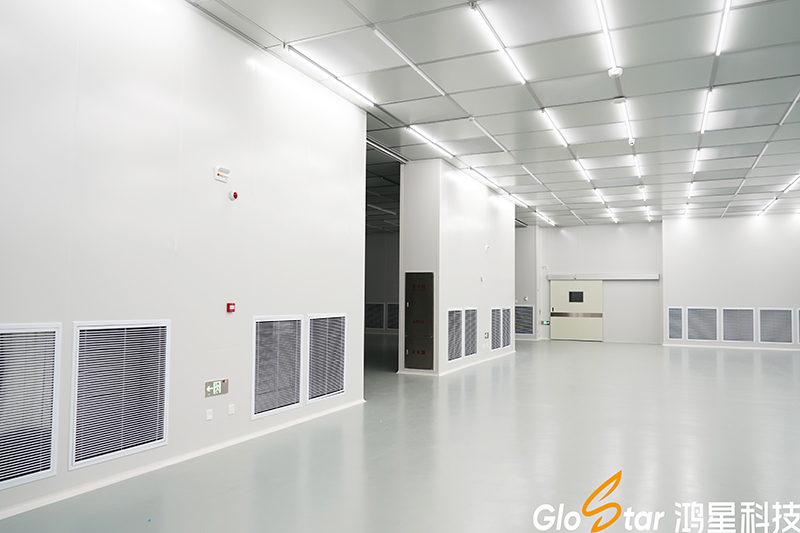
Compliance in cleanroom design is critical for ensuring that controlled environments meet industry regulations. Glostar plays a important role in this area by offering prefabricated cleanroom solutions that integrate original materials designed specifically for compliance. The use of materials like Glostar sandwich panels not only enhances the structural integrity of the cleanrooms but also simplifies construction processes, reducing the need for extensive site work. These panels are engineered to minimize particle generation and maintain temperature and humidity levels, both of which are essential for compliance with stringent standards.
furthermore, careful planning and design must consider airflow patterns, filtration systems, and finishes that promote cleanliness and minimize contamination risks. "Choosing the right materials can greatly affect ongoing maintenance needs and operational efficiency." In light of these factors, it becomes imperative to select prefabricated systems that align with relevant regulatory guidelines while also optimizing performance in varied applications, from pharmaceuticals to electronics manufacturing. As regulations evolve, so too must approaches to cleanroom design, highlighting an adaptable framework capable of meeting future challenges.
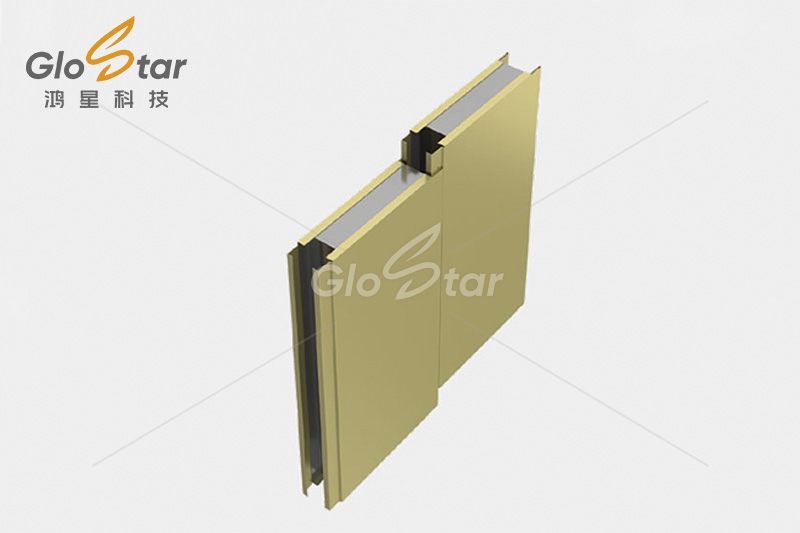
Efficiency in controlled environments such as prefabricated clean rooms is essential for achieving optimal productivity and ensuring product quality. Glostar contributes significantly to this efficiency by utilizing new materials and design solutions. Their sandwich panels, for example, are engineered to minimize thermal bridging and boost insulation, which stabilizes temperature control and reduces energy consumption. This not only fosters a comfortable operational environment but also limits operational costs. Furthermore, the modular nature of Glostar's systems allows for faster installation and adaptability to changing operational needs. This flexibility is important for industries such as pharmaceuticals and electronics, where rapid response times are vital. By prioritizing efficiency and performance through carefully selected materials, Glostar helps create cleaner, more sustainable spaces that meet stringent industry standards while improving overall workflow.
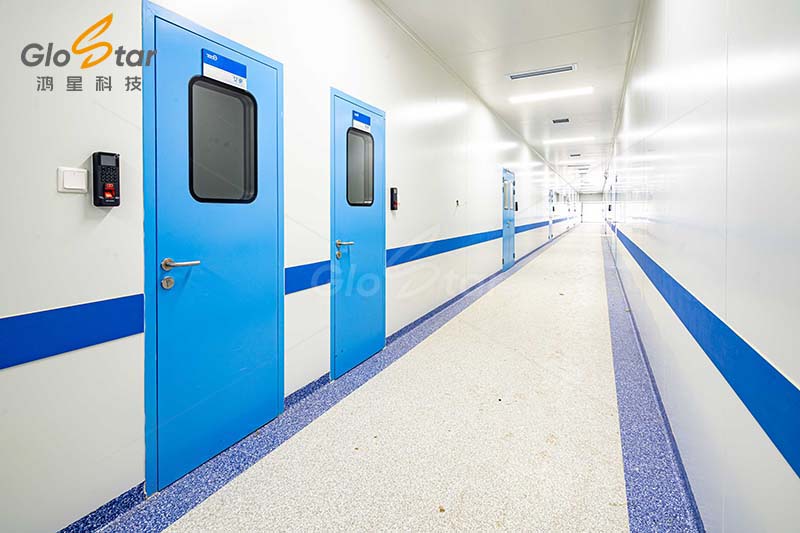
Sustainability plays a important role in the design and construction of prefabricated clean rooms. The choice of materials directly impacts environmental performance, and Glostar's clean room panels are a prime example. These panels are designed with efficiency in mind, minimizing waste during production and installation. also, they utilize recyclable components that reduce the overall environmental footprint. By focusing on energy-efficient manufacturing processes, Glostar ensures that their products align with green building standards.
Incorporating sustainable practices also means considering long term durability and maintenance. high quality clean room panels reduce the need for frequent replacements, thereby conserving resources over time. Furthermore, the easy-to-maintain surfaces of these panels contribute to lower operational costs while supporting cleanliness in controlled environments.
As industries increasingly prioritize sustainability, incorporating robust solutions like Glostar's clean room panels not only meets compliance standards but also fosters a commitment to environmental stewardship across various sectors. This forward-thinking approach sets a benchmark for future developments in cleanroom technology, ensuring that innovations resonate with both performance and ecological responsibility.
Constructing prefabricated cleanrooms presents several hurdles that can impact the overall effectiveness and compliance of the environment. One significant challenge is ensuring the quality and compatibility of materials used. Materials must meet strict standards for cleanliness, yet achieving this while accommodating varying structural needs can be tough. Furthermore, issues like thermal expansion and contraction may lead to misalignments in systems, especially in connections between walls and cleanroom ceilings. Inadequate sealing can allow airborne contaminants to breach the sterile environment. Skilled labor is necessary for precise installation, as improper assembly might introduce vulnerabilities that compromise efficacy. also, logistical hurdles can arise from transport and onsite assembly of large panels or modules which require careful handling to prevent damage before installation. Managing these challenges effectively is main to maintaining stringent operational standards across diverse sectors where cleanrooms are essential.
The scene of cleanroom technology is rapidly evolving, driven by advancements in materials and design practices. Glostar plays a important role in this progression, utilizing new materials that improve functionality and longevity. In future cleanrooms, we can expect a greater integration of smart technology that monitors environmental parameters in real time, ensuring that necessary conditions are maintained. Prefabricated solutions will likely see improvements in modular designs, allowing for quicker assembly and reconfiguration as industry needs change. Moreover, the emphasis on sustainability will lead to the use of eco-friendly materials that not only maintain performance standards but also reduce environmental impact. As industries demand more from their cleanroom environments, the relationship between technology and design will result in spaces that are more efficient, compliant with rigorous standards, and adaptable to various applications across sectors such as pharmaceuticals and electronics manufacturing.
glostar's significant contributions to prefabricated clean rooms point out the necessity of innovation in an increasingly regulated environment. By developing advanced materials, such as their exemplary sandwich panels, Glostar helps ensure compliance while enhancing operational efficiency. These panels not only deliver outstanding performance but also contribute to sustainable practices, addressing the growing concerns regarding environmental impact within the industry. Challenges in cleanroom construction are met with Glostar's commitment to quality and efficiency, offering practical solutions for complex requirements faced by various sectors. As technologies continue to advance, Glostar's forward-thinking approach positions it as a main player in shaping the future of cleanroom environments, ensuring they remain at the forefront of industry standards and operational excellence.
What are prefabricated clean rooms?
Prefabricated clean rooms are standardized, pre-assembled environments designed to control cleanliness, air quality, and temperature for various industries.
Why are materials important in cleanroom construction?
Materials play a important role in maintaining sterility and compliance with industry standards while also ensuring durability and resistance to contaminants.
How does Glostar contribute to cleanroom efficiency?
Glostar enhances efficiency by using original sandwich panels that improve insulation and reduce energy consumption, alongside modular designs for quick assembly.
What challenges exist in prefabricated cleanroom construction?
Challenges include material compatibility, installation precision, and logistical issues in handling large panels or modules during transport and assembly.
What is the future of cleanroom technology?
Future advancements may include smarter technology integration for monitoring conditions in real time and greater focus on sustainable materials to minimize environmental impact.
Glostar specialize in high-performance metal integrated insulation curtain wall systems, sandwich roof/wall panel systems (including polyurethane and rock wool sandwich panels), cleanroom wall partitions & ceiling tiles