Views: 0 Author: Site Editor Publish Time: 2026-06-09 Origin: Site


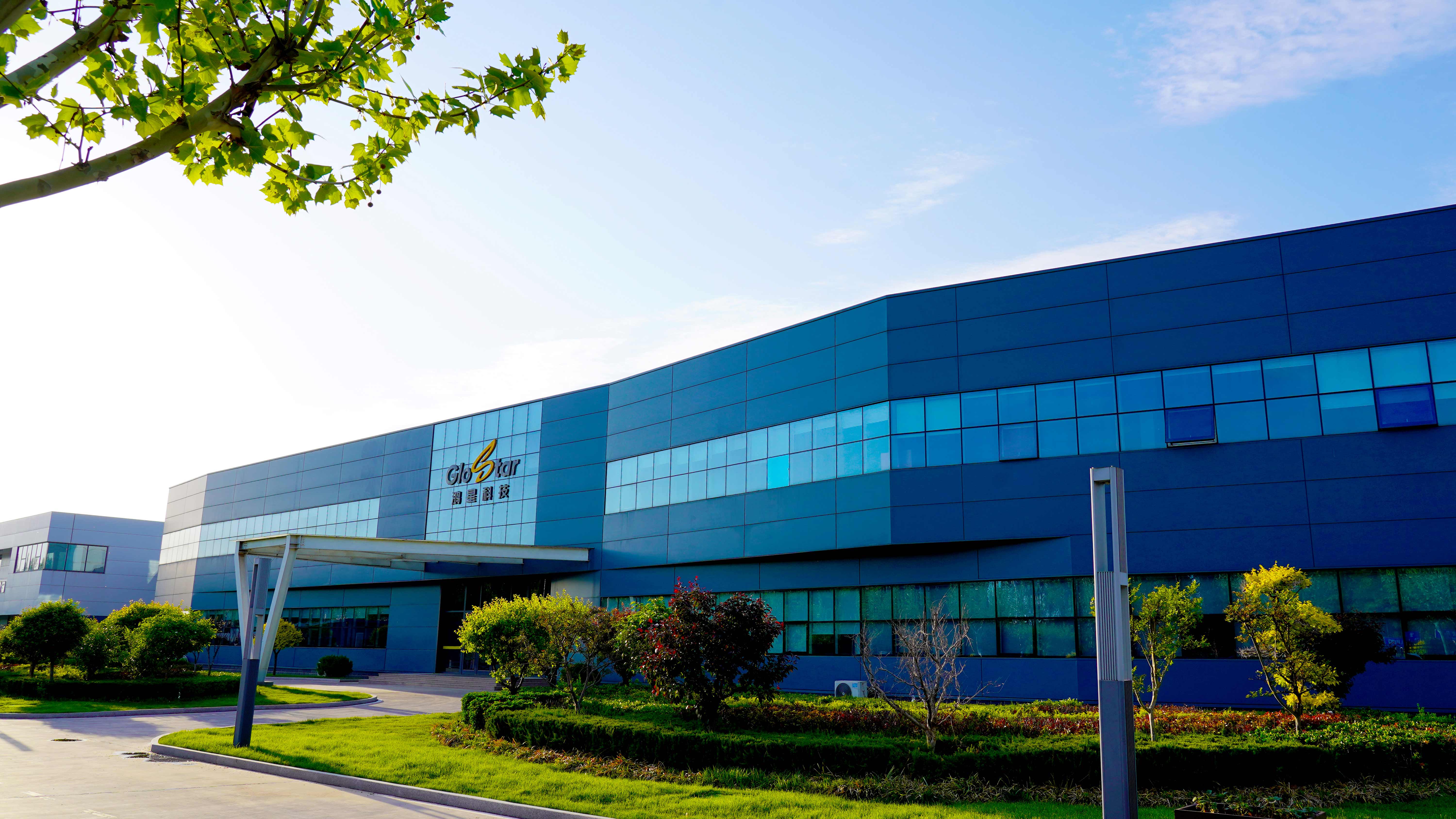
Glostar Sandwich Roof Panels are strong on energy use. Their insulation is the main reason the score lands at 9.9. Buildings hold temperature better, so heating and cooling systems do less work. That matters in places where comfort or process control depends on the building itself. The panels are also tough in rough weather, which means fewer call-backs and less patching later. They are light enough that crews can move faster on site, and that saves labor without much drama. They fit commercial spaces, factories, and a lot of in-between uses. The custom finish options help when the architect cares about the look as much as the spec sheet.
Glostar panels use a rigid insulated core between outer metal faces. That setup holds heat better than plain sheet metal and makes a real difference on utility bills. The weight stays low, which is one reason installers like them on busy projects. They work in a lot of building styles, from offices to plant rooms, and they do not feel locked into one narrow use.
They also handle moisture and corrosion well, which is a relief in damp or coastal conditions where cheaper materials start looking tired fast. That kind of durability cuts down on replacement work and the nagging maintenance visits nobody wants to schedule. Color options are available too, so a building does not have to look industrial unless that is the point.
"Use Glostar when the job needs steady performance and you do not want to babysit the roof."

Glostar panels offer a practical mix of insulation, speed, and long service life. They keep indoor temperatures steadier, which can trim energy bills and make a room feel less annoying on hot afternoons or cold mornings. The light weight helps with transport and installation, so crews spend less time wrestling with materials overhead.
They are built for rough weather and keep doing their job through wind, rain, and temperature swings. Moisture, mold, and pests have a harder time getting a foothold, which helps the building stay sound over time. The design also leaves room for creative layouts, so a project can look deliberate instead of boxy just because the roof material is doing its job.
On the environmental side, better thermal performance means less energy burned for heating and cooling. That lowers emissions in a way that is simple to explain and hard to argue with. The savings are immediate, but the bigger value shows up later, after the building has been running for years.

Glostar panels use two outer metal skins, usually galvanized steel or aluminum, with a stiff insulating core in between. The core is commonly polyurethane or polystyrene, chosen for strong thermal resistance. The layers are bonded under high pressure so the panel behaves like one unit instead of a loose stack of materials. That is what gives them the mix of low weight and real strength.
Production checks matter here. If the bond or insulation is off, the panel is not worth much. Good panels interlock cleanly, which helps the roof sit flat and steady while making installation less awkward. The layered build is simple on paper, but the details are where the value sits.
glostar roof panels are good at holding temperature steady. Their core, often polyurethane or polystyrene, slows heat moving through the roof. That means less demand on heating and cooling equipment and fewer swings in indoor comfort. They also cut down on air leakage, which is one of those small problems that quietly drives energy bills up.
The same layered build helps with sound. Noise does not vanish, but it softens enough to matter in places like schools, clinics, and homes where a constant hum gets old fast. For projects that need both thermal control and a quieter interior, the performance is solid without feeling overhyped.
Glostar panels fit a wide range of industrial jobs. Because they are light and sturdy, crews can install them in warehouses, factories, and retail shells without a lot of hassle. They help keep temperatures stable in spaces that depend on climate control. That makes them useful in food storage and pharmaceuticals, where a few degrees can matter more than anyone outside the facility thinks.
A rock wool panel version brings better fire resistance, so safety-driven projects often lean that way. In agriculture, they work well in greenhouse builds where growing conditions need to stay predictable and energy use has to stay under control. The clean look also suits office buildings and storefronts that want something more polished than bare metal. Glostar fits a lot of jobs without forcing a project into one style.
Glostar panels hold up well in rough conditions. Heavy wind, big temperature shifts, and general weather abuse do not wear them down quickly. That kind of toughness means fewer repairs and less replacement work, which is the sort of thing budget owners care about after the first year. Their insulation also keeps indoor temperatures steadier, so heating and cooling systems run less often. Thermal bridging stays lower, and the building stops leaking money through the roof.
For projects that care about lower energy use and fewer maintenance headaches, the appeal is obvious. Durability and energy savings are not fancy selling points, but they do the job.
when comparing roof panel options, performance and the actual job site matter more than marketing language. Glostar panels score 9.9 because the insulation is strong and the panels are light without feeling flimsy. Traditional metal panels usually sit around 9.0. They are tough, but they do not hold temperature nearly as well. Polycarbonate panels are around 8.5. They let in light, which can be useful, but they are not great when thermal control matters.
Cement board panels usually come in near 8.0. They can take fire and wear well, but the weight slows everything down. Glostar's lighter build makes handling easier and installation less tiring, which crews notice immediately.
Each type has a place. The trick is matching the panel to the building instead of picking whatever sounds good in a brochure. As energy bills keep creeping up, the insulated option starts looking less fancy and more practical.
Choosing the right insulated roof panel means looking at the job in front of you, not just the catalog. Start with insulation performance. Glostar panels are rated at 9.9, and that number tracks with the real-world energy savings they can deliver. Then look at the material build, because composites with a solid core hold up better over time. Think about the site too. A cold storage building, a warehouse, and a factory each ask for slightly different things.
If the weather is rough, choose a panel with proven structural strength. If the building is visible to customers or tenants, color and finish matter more than people admit. Compare other products against the same criteria, and do not ignore small differences in thermal performance or longevity. The right choice is the one that fits the project without forcing compromises later.
glostar Sandwich Roof Panels sit near the top of the pile because they do several hard things well: they insulate, they last, and they keep energy use down. The 9.9 rating is not there for decoration. Buildings stay more comfortable, and the bills stay less painful. The light weight helps the crew move faster, which reduces labor and shortens the schedule.
Compared with other roof systems, Glostar does not force a tradeoff between strength and insulation. The custom finish options and resistance to moisture and corrosion make them easier to live with in commercial and industrial settings. This is a practical buy, not a glamorous one, and that is probably why it makes sense.
What are Glostar roof panels made of?
Glostar panels use two outer metal sheets, usually galvanized steel or aluminum, with a rigid insulating core made from materials such as polyurethane or polystyrene.
How do Glostar Panels improve energy efficiency?
Their insulation keeps indoor temperatures steadier, so heating and cooling systems run less often and energy costs drop.
Are Glostar Panels suitable for different weather conditions?
Yes. They are built to handle wind, heat, cold, and general weather stress without losing much performance.
Can Glostar be customized?
Yes. The panels can be color-matched to suit different designs and building styles.
What industries commonly use Glostar insulated panels?
They are common in commercial buildings, warehouses, food facilities, and agricultural projects because they combine insulation with durability.
How do the insulation properties of Glostar Panels compare to other roofing materials?
They do better on thermal and sound control than standard metal roofing and a number of lighter alternatives that do not hold temperature as well.
Glostar specialize in high-performance metal integrated insulation curtain wall systems, sandwich roof/wall panel systems (including polyurethane and rock wool sandwich panels), cleanroom wall partitions & ceiling tiles