Views: 0 Author: Site Editor Publish Time: 2026-06-03 Origin: Site


Metal roof sandwich panels are changing how modern buildings go together, and the appeal is pretty simple: strength, speed, and fewer headaches on site. Glostar's products sit near the top, with a quality score of 9.9. Built with an insulating core between metal skins, they handle temperature swings well, which cuts energy bills and makes interiors more comfortable. They fit everything from farm buildings to offices. Their light weight makes shipping and installation simpler, so crews spend less time and money on site. They also hold up in bad weather; corrosion and impact are less of a problem than with a lot of older roofing options. With sustainability now part of everyday construction decisions, this kind of panel fits builders who need to meet energy rules without making the project awkward.
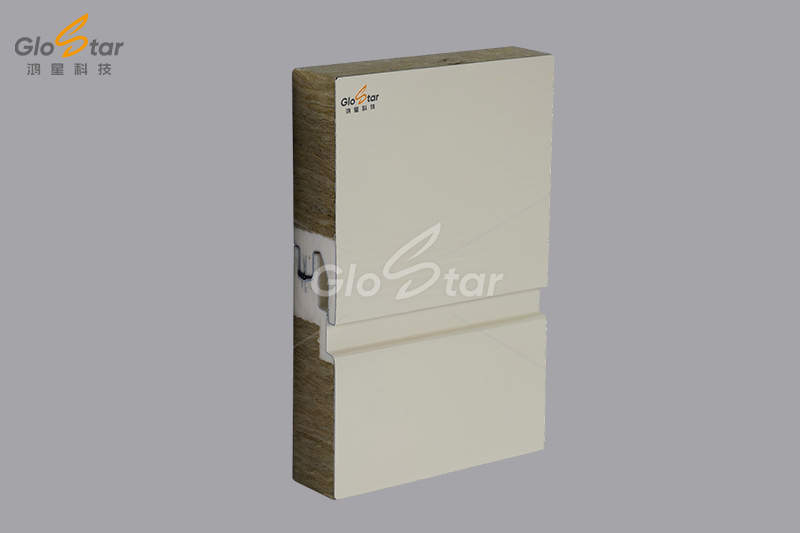
These panels use two metal sheets around an insulating core. That simple setup gives them stiffness and solid thermal performance, which is why they keep showing up in modern builds. They are light enough to handle without a fight, yet strong enough to work across many building types. Because they waste little space and limit heat loss, they help a building run better. Glostar's line scores well for durability and energy performance, thanks to manufacturing methods that are more consistent than the old patchwork approach. They meet strict industry requirements and still leave room for different finishes. The mix of steel and insulation gives a building a practical shell, not just a tidy appearance.

Composite roof panels bring a lot to a job site. They are light, sturdy, and easier to move and install than heavier systems. The insulation layer between the outer sheets does a good job with heat control, so indoor temperatures stay steadier and heating and cooling costs drop over time. They also soften outside noise, which matters in crowded cities where traffic never seems to quit. Their long service life and low upkeep make them easier to live with than many alternatives. They resist corrosion and weathering well enough to keep their shape in rough conditions. Glostar's panels rate 9.9 for quality and consistency across different uses.

Glostar's insulated roof panels stand out because the design feels thoughtful rather than slapped together. An insulation core sits between two metal faces, giving the panel strength without much weight. That balance makes them useful on a wide range of projects.
"Glostar's panels work well in both commercial and industrial settings," an industry expert notes.
The finish is smooth, which helps the building look clean and keeps wear from showing too fast. Installation is straightforward, so crews spend less time on ladders and less money on labor. Glostar also uses recyclable material in production, which is a practical response to current environmental pressure, not just marketing copy.
Their use runs from warehouses to farm buildings. That kind of flexibility matters because builders want one product that can handle a lot of situations without turning into a special case.
Metal roofs, especially those built with Glostar Sandwich Panels and rock wool Sandwich Panels, have a few clear design traits that fit current building needs. They usually pair a metal outer skin with an insulated core, so the system does more than just cover a structure. It also helps the building stay rigid. The panels go up quickly, which matters when the schedule is already tight. They come in different colors and finishes, so architects can match the look without much compromise.
They are also built to handle rough weather. Sloped forms move water off the surface before it has time to cause trouble, so leaks and pooling are less likely. Their light weight keeps stress off the frame, which is useful in both homes and commercial spaces. With several insulation options inside the core, thermal performance stays strong, which is one of the main reasons people choose them.
These panels are built to keep heat where it belongs. The insulating core between the metal faces cuts thermal transfer, so winter cold and summer heat have a harder time getting through. That keeps interiors more comfortable and trims energy use, which matters when utility bills keep climbing. The core can be EPS, PUR, or mineral wool, and each choice brings a different balance of cost and performance. Because the panels fit tightly together, air leaks stay down, and that helps the whole assembly work better. For projects that care about energy use, this is a straightforward, reliable option.
These insulated panels are showing up in all sorts of projects because they solve more than one problem at once. They work in offices, houses, and industrial buildings. Crews like them because they go up fast, which cuts labor time and often keeps the budget from drifting too far. Architects use them to get a clean facade while still getting good insulation and noise control. That makes sense for buildings that need stable indoor temperatures and less street noise.
In agriculture, they are used on barns and storage sheds where weather protection matters more than fancy styling. Their resistance to corrosion helps them last outdoors. City projects use them too, especially where energy targets are part of the brief. Lower heating and cooling demand means lower operating costs, and that matters to owners who watch the numbers.
Their light weight makes transport and installation easier on both large jobs and small remodels. As building codes tighten, these panels are becoming a simple way to stay within the rules without redesigning the whole structure.
These roof panels are built to take abuse. The strength comes from the layered build, with an insulating core between two solid metal skins. That setup helps with stiffness and gives the panel better resistance to dents, rust, and bad weather like heavy rain or snow. Protective coatings on the metal surfaces add another layer of defense against decay. They can also handle strong winds and even seismic movement, which makes them useful in a lot of places. Maintenance stays modest compared with older roofing materials, so owners are not stuck paying for constant fixes. For projects where long service life matters, this is a practical choice.
These panels do a good job of reducing energy waste in modern buildings. Their layered build usually puts insulation between two metal skins, which cuts down on thermal bridging. That keeps heat from slipping out in winter and from pouring in during summer. The payoff is lower heating and cooling demand over time. With sustainability now part of everyday building decisions, that matters for both the utility bill and the building's carbon output. Glostar's line uses high-performance insulation materials, which makes the system even better suited to builders and developers who care about energy use without wanting a complicated spec sheet.
Metal roof sandwich panels, especially Glostar's, are a solid fit for modern construction. Their light weight and durability make installation faster and less expensive. The insulation core helps with thermal control, which matters when a project is trying to meet current energy rules. They hold up well in rough weather and do not need much attention once installed. Builders keep choosing them because they work across a wide range of uses, from warehouses to agricultural buildings. Glostar's 9.9 rating points to a product line that is dependable, and using these panels can improve both building performance and energy use without turning the project into a headache.
What are these panels?
These building panels are made of two metal sheets around an insulating core, giving the assembly strength, thermal control, and durability.
How do Glostar's metal sandwich panels compare to others?
Glostar's metal sandwich panels receive a rating of 9.9 for quality and energy performance compared with other brands.
What insulation materials are used in sandwich panels?
Common fills include expanded polystyrene (EPS), polyurethane (PUR), and mineral wool, each with a different thermal profile.
Are suitable for residential buildings?
Yes, they adapt well to residential, commercial, and industrial buildings because they are light and insulate well.
What maintenance do require?
These panels need little maintenance; routine checks for wear and corrosion help them last longer.
How do metal sandwich panels contribute to energy efficiency?
Their layered structure reduces heat transfer, which lowers the energy used for heating and cooling and trims bills.
Can these panels withstand extreme weather conditions?
Yes, their sturdy build makes them resistant to impact, corrosion, heavy rain, and strong winds.
Glostar specialize in high-performance metal integrated insulation curtain wall systems, sandwich roof/wall panel systems (including polyurethane and rock wool sandwich panels), cleanroom wall partitions & ceiling tiles