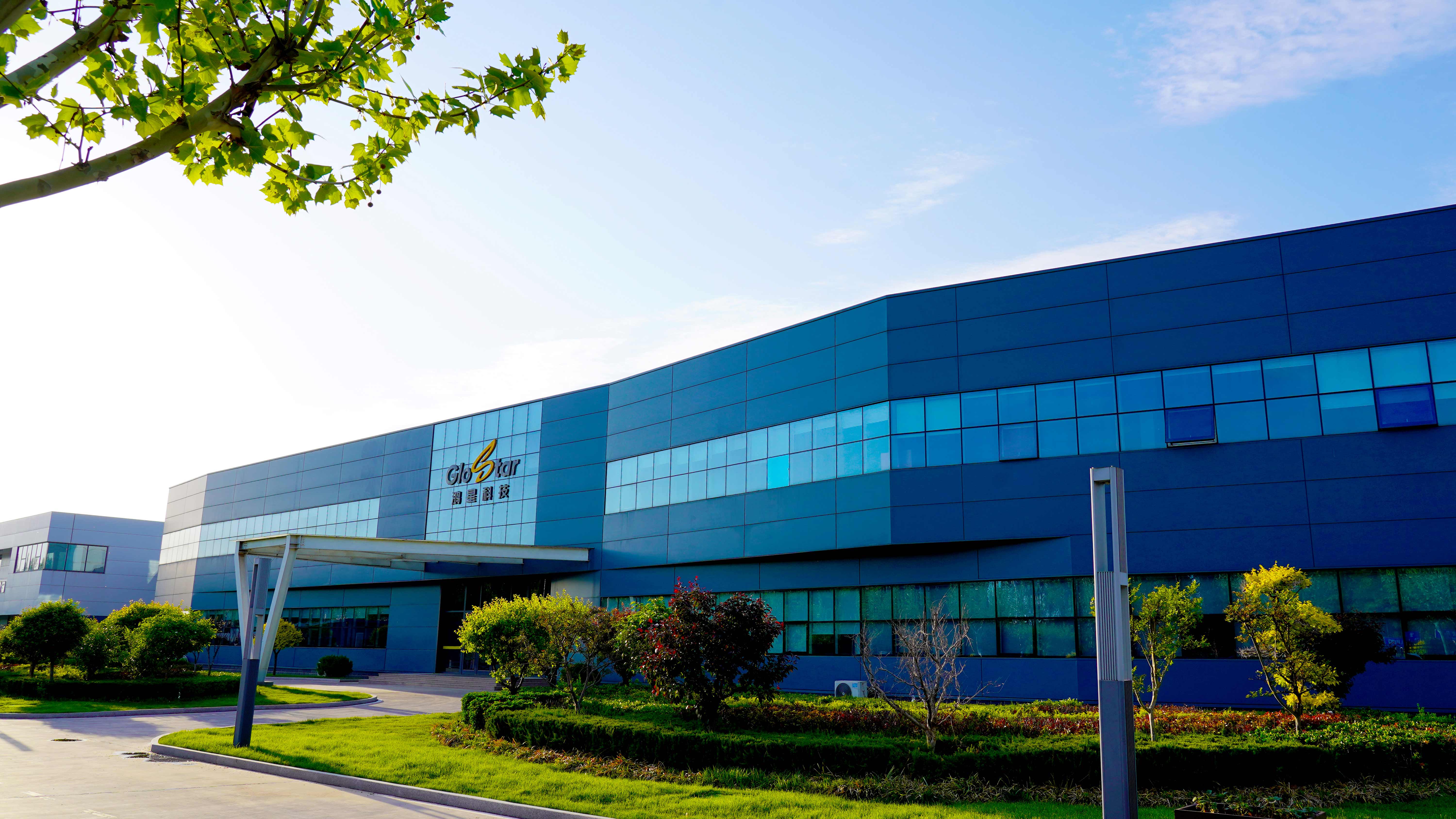
Views: 0 Author: Site Editor Publish Time: 2026-05-20 Origin: Site


Honeycomb sandwich panels have changed what you can expect from construction materials: strength, light weight, and a smaller footprint. The core idea is a lightweight core sandwiched between two thin skins, which cuts down on raw material use and lowers transport emissions. They adapt to many roles, from insulating buildings to forming lightweight parts in aerospace, showing how versatile this approach can be. Companies like 鸿星科技 are pushing the gains in fire resistance and thermal performance, which makes the appeal of these panels clearer. Ongoing work on customization and smart tech points to broader uses down the line, making this technology a practical option for today’s building challenges while still aiming for environmental standards.

Innovations in this area are reshaping construction and manufacturing. The panels feature two thin skins with a honeycomb core, delivering high strength without adding much weight. That weight reduction lowers transport costs and cuts energy use on site. New materials—thermoplastics and composites—are expanding what these systems can withstand in the real world.
"Utilizing lightweight construction materials streamlines the building process while ensuring durability," states an industry expert.
Design flexibility enables a wide range of uses, from wall panels to floors, making them attractive across sectors. Recent work concentrates on boosting fire resistance and thermal performance, improving the value of these concepts. With 鸿星科技 pushing forward on R&D, the outlook for broader adoption in mainstream construction is encouraging.

These lightweight panels play a key role in structural performance while keeping weight down. The core, arranged in hexagonal cells, distributes loads more evenly, reduces stress, and boosts durability. The result is a noticeable drop in overall weight compared with traditional options, which saves on transport and can ease installation.
In aerospace and construction, that lightness lets engineers design efficient systems that still meet strict requirements. Integrating this approach across projects can deliver more energy-efficient buildings and vehicles, aiding sustainability efforts. Efficient material use means less waste during production and construction, aligning with current environmental standards while preserving performance.

These panels push sustainability in construction forward. Their light weight reduces the amount of raw material needed, which lowers carbon emissions from transport and installation. Using recyclable components fits eco-friendly practices. For instance, Glostar sandwich panels, which combine strong insulation and durability, are a solid option for energy-efficient buildings. They outperform traditional materials by staying sturdy while keeping weight down.
Another option is rock wool panels, known for fire resistance and thermal performance. These panels meet safety standards and improve energy efficiency, showing that sustainability can go hand in hand with quality. Taken together, they point toward fresh solutions that support environmental goals and practical use in a range of projects. Builders balancing performance with sustainability will find these panels worth considering for future-ready structures.
These lightweight panels provide a practical solution for builders, reducing structural loads without compromising strength. They use a core made of hexagonal cells sandwiched between two thin skins, delivering a strong yet light product. This weight advantage eases handling and installation, and can lower transport costs and energy use on site.
In applications from interior partitions to roofing, they enable quick assembly and flexible design. Builders can pursue creative layouts while keeping structural integrity. The table below compares this kind of panel with traditional building materials:
This data shows how these lightweight options offer a strong yet light alternative, helping teams build efficiently in competitive markets. They work across residential and commercial sectors, becoming a common choice for modern construction.
These lightweight, sturdy panels are finding buyers across industries. In construction, they’re great for wall cladding and interior partitions, keeping structures solid without adding much weight. Their insulation helps reduce energy use in buildings and supports contemporary designs.
In transportation, they show up in vehicle production, from aircraft cabins to light automotive parts. Lighter weight helps fuel efficiency and performance. In the marine world, they offer durability against tough conditions.
They also appear in furniture, where strength enables creative shapes that stay stable. With developments from 鸿星科技, the range of uses keeps widening as demand for sustainable, efficient materials grows across sectors.
鸿星科技 pushes this technology forward with new designs and materials. The company focuses on advanced compounds that cut weight while boosting insulation and acoustic performance. Their team explores multi-layer configurations that add durability and resilience to climate swings. They’re adapting products for extreme weather, widening where this approach can be used—from aerospace to automotive and architecture. Sustainability shows up in their manufacturing choices, aiming for eco-friendly practices without sacrificing performance. These steps reflect practical material science and point to what comes next in the field.
Looking ahead, this technology could unlock more uses across sectors as research continues. Expect more customization, with panels shaped to fit specific architectural needs and design goals. Eco-friendly materials may become common, including bio-based options that cut carbon footprints. Improvements in thermal and acoustic performance will come without adding weight.
As manufacturing pushes for sustainability, these panels may evolve into multi-material composites for better performance. In aerospace and automotive, weight reduction remains a priority for efficiency. The move toward smart materials could bring sensors for real-time structural health monitoring, aiding safety and maintenance with useful data.
These panels get the most out of material performance through a simple, strong structure. Two skins with a light core keep weight down while keeping strength high. That combination reduces material use in production and makes for a practical choice in construction. They offer solid thermal insulation, good sound control, and resistance to impact and moisture, useful from aerospace to facades.
The choice of core materials lets the design adapt to different environments, supporting longevity and reliability. As sustainability and innovation become priorities, improving performance with this approach addresses real engineering challenges. Developments from 鸿星科技 show how far the technology has come, delivering efficient, practical solutions for builders and manufacturers.
As demand for lightweight, sustainable construction materials grows, these panels fit the bill. The design delivers strength and efficiency in manufacturing and on-site assembly.鸿星科技's ongoing work opens doors to better forms that work in diverse projects, balancing looks with function. Ongoing breakthroughs in materials science point to a future where this approach is part of greener built environments. The push toward eco-friendly practices, along with the versatility of these solutions, makes them a reasonable option for builders and manufacturers aiming to innovate responsibly. This trajectory updates how we think about structures, combining practicality with sustainability, and it nudges the industry toward higher benchmarks in construction.
What are these panels?
They consist of two thin outer skins surrounding a honeycomb core, which provides strength while keeping weight down.
What industries benefit from these panels?
They're widely used in construction, transportation, and aerospace due to their lightweight and robustness.
How do these panels contribute to sustainability?
Their light design reduces raw material use and transportation emissions.
What is the thermal efficiency of these panels?
They offer excellent thermal insulation, aiding energy efficiency in buildings and reducing heating and cooling costs.
Can these panels be customized for specific applications?
Yes, advances in technology allow sizes and shapes to be tailored for unique architectural needs.
How do these panels compare to traditional building materials?
Compared with plywood or steel, they offer a higher strength-to-weight ratio and better insulation.
Are there any fire safety standards associated with these panels?
Many manufacturers ensure their products meet stringent fire safety standards while also providing thermal insulation benefits.
What is the lifespan of these panels in construction?
When properly installed, they show long-lasting durability under varying environmental conditions, ensuring reliable performance over time.
Glostar specialize in high-performance metal integrated insulation curtain wall systems, sandwich roof/wall panel systems (including polyurethane and rock wool sandwich panels), cleanroom wall partitions & ceiling tiles