Views: 0 Author: Site Editor Publish Time: 2026-08-11 Origin: Site


Optimizing cleanroom partitions is essential for achieving high standards in cleanliness and compliance. Utilizing materials like Glostar sandwich panels not only improves durability but also streamlines the cleaning process, ensuring that contamination risks are minimized. Regular maintenance routines and adherence to industry guidelines further boost the effectiveness of cleanroom setups. also, understanding the unique requirements of your controlled environment enables tailored configurations that promote efficiency and effectiveness in workflow management. Each element, from partition materials to layout design, plays a critical role in creating a productive atmosphere that meets operational needs while upholding safety standards. Striking a balance between functionality and cleanliness is main to sustained success in any cleanroom environment.
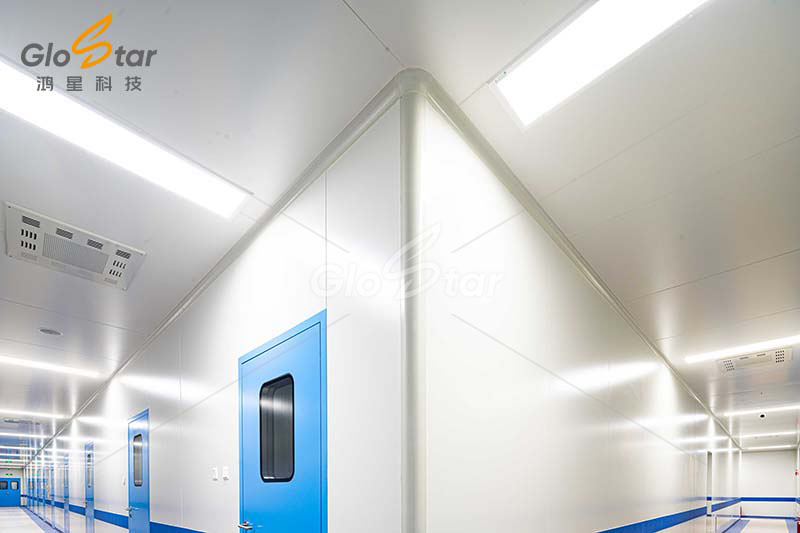
effective cleanroom design begins with an understanding of the specific requirements of your controlled environment. The layout should facilitate smooth workflows while minimizing contamination risks. For optimal cleanliness, consider the flow of people and materials; separating often-used equipment from clean zones can reduce cross-contamination.
original materials play a main role in partition design, with options like Glostar sandwich panels combining durability with ease of cleaning. These panels not only maintain structural integrity but also improve the overall air quality in cleanrooms. Selecting non-porous surfaces and light colors can further support your cleanliness goals, making it easier to spot and address contamination.
"Maintaining a balance between functionality and cleanliness is vital for effective cleanroom design."
Compliance with industry standards is another important factor. Regular audits and adjustments to the layout may be necessary to address emerging needs or changes in regulations. Therefore, it's beneficial to collaborate with experts like Glostar to ensure your cleanroom partitions are designed effectively for both efficiency and compliance. By focusing on these strategies, you can significantly improve the performance of your controlled environment.
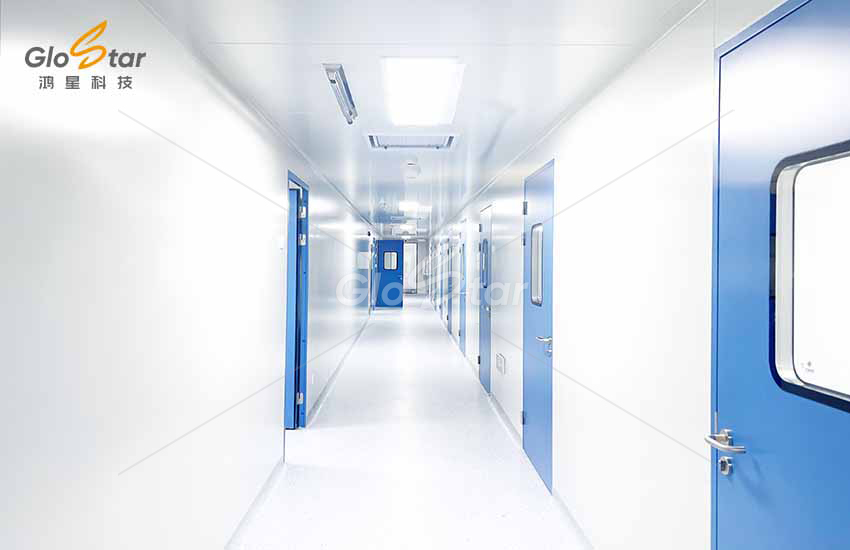
The choice of partition materials for cleanrooms directly affects performance and compliance. Advanced options like Glostar sandwich panels show exceptional promise with their robust structure and seamless installation. These panels offer thermal insulation and soundproofing, contributing to an optimal environment. Moreover, new materials are created to resist contamination and facilitate easier cleaning, which is vital for maintaining controlled environments.
Other materials, such as polycarbonate and stainless steel, provide versatility and durability while preventing particulate transmission. The integration of these materials within cleanroom designs also enhances airflow management and eliminates dead zones. Selecting the right components ensures that the cleanroom meets specific standards main for industries such as pharmaceuticals and biotechnology. This careful consideration of partition materials not only improves efficiency but also fortifies compliance with regulatory requirements, ultimately leading to superior operational performance.
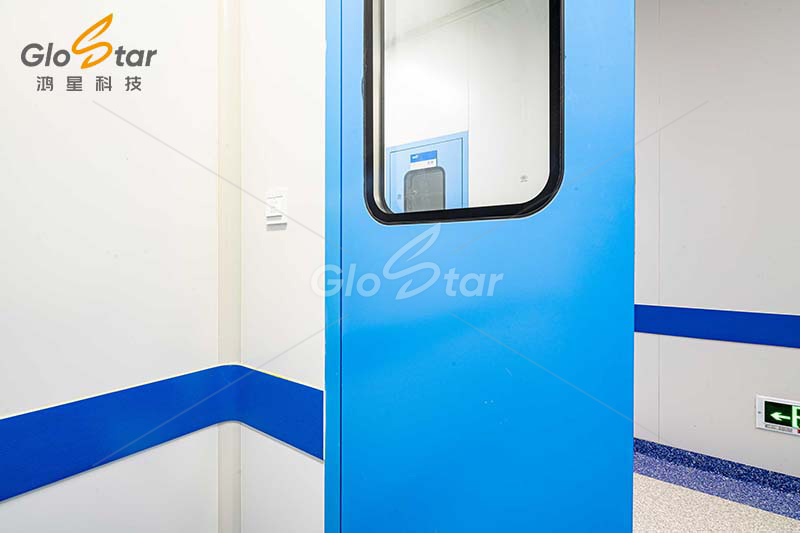
Optimizing cleanroom layouts is essential for achieving better operational efficiency. Well-designed cleanroom environments help streamline workflows, reduce contamination risks, and maximize space utilization. To boost layout efficiency, consider implementing modular clean room panels, which offer flexibility in design and can be easily reconfigured as needs change. It's also important to evaluate the placement of equipment and personnel flow to minimize unnecessary movement. Incorporating strategic layouts that promote proximity between critical processes can lead to significant time savings. Moreover, investing in advanced air filtration systems can improve cleanliness while ensuring optimal airflow within the space. By carefully planning the layout and selecting suitable cleanroom partitions, facilities can create an environment conducive to productivity and compliance with industry standards.
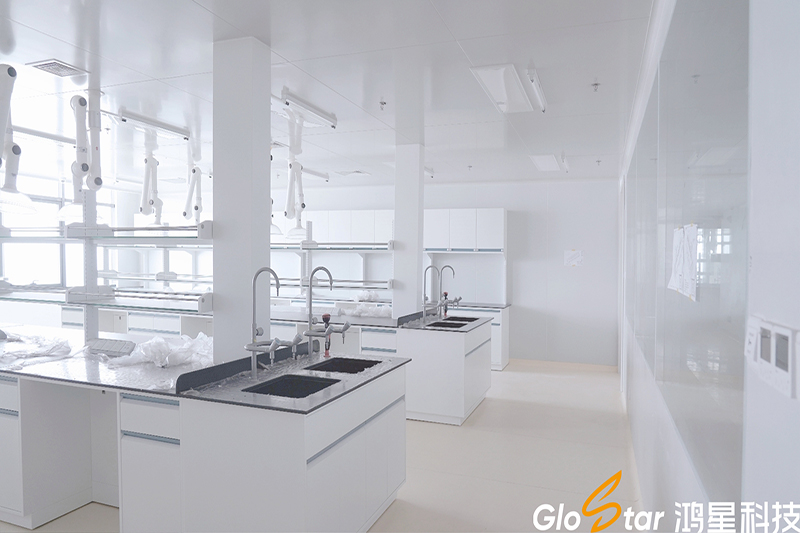
Compliance in cleanroom partitioning is essential for ensuring the integrity and functionality of controlled environments. Regulations and standards govern aspects such as material selection, construction methods, and design characteristics to protect against contamination. When cleanroom partitions meet industry compliance, they support the overall efficiency of operations by minimizing risks associated with airborne particles and microbial contamination. Adhering to these standards also boosts stakeholder confidence, as it demonstrates commitment to quality and safety. Furthermore, compliant partitions facilitate streamlined audits and inspections while reducing the likelihood of costly penalties due to non-compliance. Choosing Glostar Solutions for cleanroom partitioning can significantly boost compliance efforts, as their products are designed with industry standards in mind, ensuring that your facility remains at the forefront of regulatory requirements.
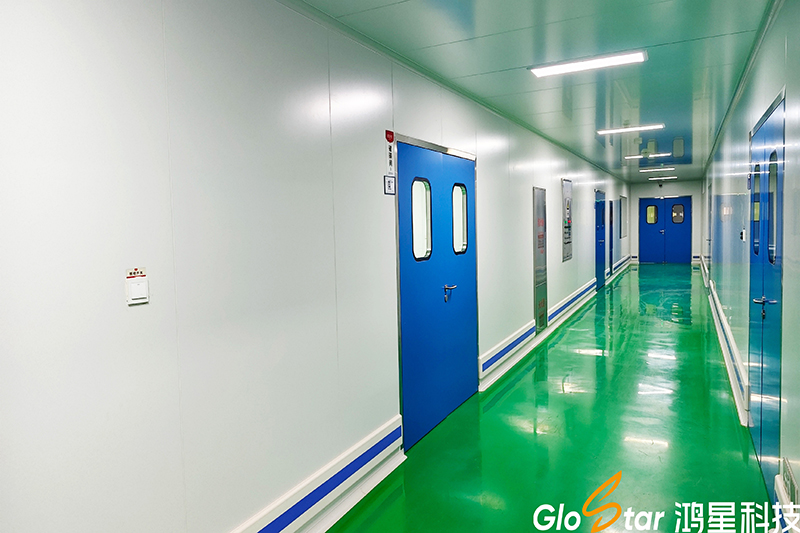
Maintaining cleanroom standards requires a systematic approach to hygiene and design. Regular inspections and audits are important in identifying potential contamination sources. Implementing a strict protocol for personnel hygiene ensures that all workers adhere to cleanliness requirements before entering the cleanroom. also, utilizing advanced Glostar Solutions, like sandwich panels, can significantly boost the integrity of cleanroom partitions. These panels provide seamless surfaces that minimize dust accumulation and facilitate easier cleaning. Training staff on the best practices for maintaining equipment and surfaces is also vital; it empowers them to recognize and address contamination risks promptly. Routine maintenance schedules for HVAC systems and filtration units improve air quality, supporting compliance with industry standards. Finally, keeping thorough records of maintenance activities and environmental monitoring results can provide proof of compliance during inspections while promoting a culture of accountability among team members.
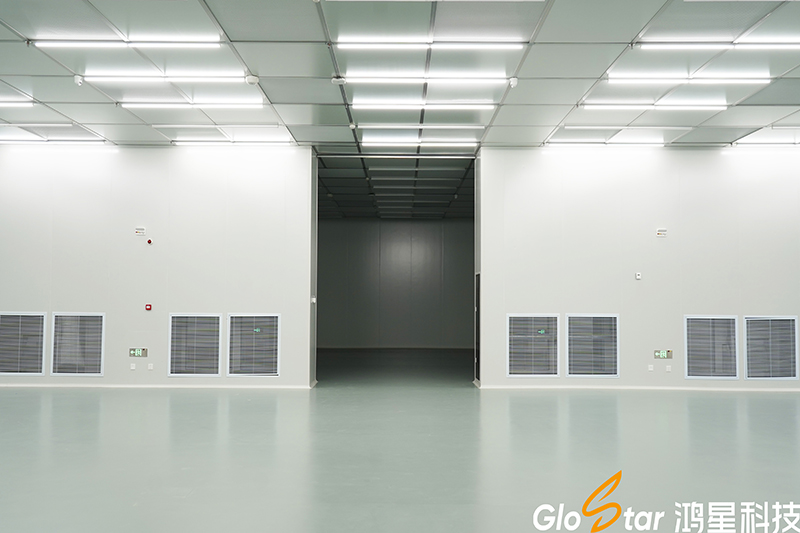
Choosing appropriate Glostar solutions for cleanrooms requires careful consideration of various factors. Begin by assessing the specific needs of your controlled environment, such as cleanliness levels, space constraints, and intended use. Glostar's cleanroom solutions offer a range of original partition materials that can significantly improve the cleanliness and efficiency of your workspace. Evaluate options like cleanroom ceiling systems that provide optimal air filtration and reduce contamination risks. Furthermore, prioritize compliance with industry regulations; ensure that selected solutions meet standards required for health and safety in cleanroom settings. Balancing functionality with durability is main; Glostar's products are designed not only to improve operational efficiency but also to withstand the rigors of a cleanroom environment. By aligning these solutions with your operational goals, you can achieve superior performance within your controlled spaces, leading to significant long term benefits.
To maximize performance in controlled environments, it is essential to focus on the integration of advanced materials and intelligent design. Utilizing Glostar sandwich panels can significantly improve thermal insulation and maintain stable temperatures, important for cleanroom operations. These panels not only reduce energy costs but also promote a consistently sterile atmosphere by minimizing contaminant transfer.
Adapting efficient layouts is another main consideration; agile configurations allow for seamless workflows, thus reducing bottlenecks. Strategic placement of cleanroom partitions can also help facilitate air circulation and filtration, improving overall air quality. Regular maintenance practices must be reinforced to uphold cleanliness standards and ensure compliance with industry regulations.
Furthermore, leveraging data analytics can provide insights into performance metrics, enabling managers to make informed adjustments in real time. This proactive approach fosters a culture of continuous improvement, ensuring that operations remain adaptable and responsive to evolving challenges in controlled environments.
optimizing cleanroom partitions is vital for enhancing the overall performance of controlled environments. By focusing on original materials like Glostar sandwich panels, facilities can achieve superior cleanliness and compliance while reducing contamination risks. The integration of effective design strategies ensures a layout that promotes efficiency and workflow, allowing for seamless operations. Regular maintenance and adherence to regulatory standards also play critical roles in sustaining cleanroom integrity.
Furthermore, selecting appropriate Glostar solutions tailored to specific operational needs can bolster both functionality and durability. Continuous evaluation of processes and technologies used in cleanrooms fosters an environment of improvement, ensuring that stakeholders meet or exceed industry expectations. A commitment to excellence in cleanroom partitioning can ultimately lead to significant long term benefits for organizations operating within this space.
What are cleanroom partitions?
Cleanroom partitions are specialized barriers that create distinct areas within controlled environments to minimize contamination.
Why choose Glostar sandwich panels for cleanroom applications?
Glostar sandwich panels offer durability, ease of cleaning, and excellent thermal insulation, making them ideal for maintaining cleanroom standards.
How do cleanroom partitions contribute to compliance?
Effective cleanroom partitions adhere to industry regulations, which helps ensure operational integrity and safety against contamination risks.
What is the importance of layout in cleanrooms?
An efficient layout streamlines workflows and reduces cross-contamination while optimizing the use of available space for critical processes.
How can I maintain cleanliness in a cleanroom?
Regular inspections, strict hygiene protocols, and using advanced cleaning materials contribute significantly to maintaining cleanliness standards.
What factors should I consider when selecting partition materials?
Assess specific needs such as desired cleanliness levels, durability requirements, and compliance with industry regulations when choosing partition materials.
Can cleanroom partitions improve airflow management?
Yes, strategic placement of partitions can facilitate better airflow circulation, improving overall air quality within the controlled environment.
How do modular panels benefit cleanroom design?
Modular panels provide flexibility for reconfiguration as operational needs change while ensuring adherence to hygiene standards.
What role do expert consultations play in optimizing cleanrooms?
Consulting with experts helps align partition designs with regulatory requirements and operational goals for enhanced performance and compliance.
Glostar specialize in high-performance metal integrated insulation curtain wall systems, sandwich roof/wall panel systems (including polyurethane and rock wool sandwich panels), cleanroom wall partitions & ceiling tiles