Views: 0 Author: Site Editor Publish Time: 2026-06-06 Origin: Site


Using Glostar panel sandwich rockwool can solve a range of insulation problems without much fuss. The rock wool core slows heat loss well, so indoor temperatures stay steadier and energy bills usually drop. The panels are light, which makes them faster to install and easier on labor costs. Surface prep and accurate alignment matter more than people like to admit; if those are off, the whole setup suffers. The mineral wool core also handles moisture well, so mold is less likely and the assembly lasts longer in harsh conditions. Check local building rules and the maker's instructions before starting. Ignoring them is a good way to create expensive repairs later.
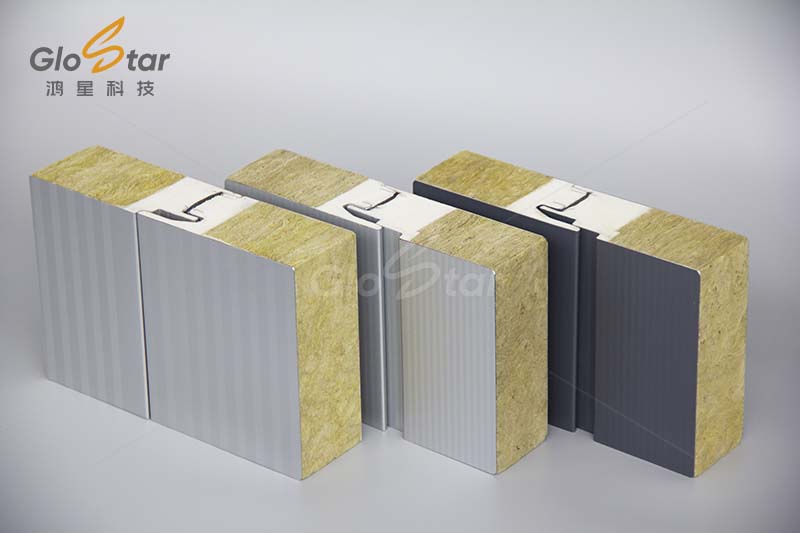
Mineral wool is a common insulation choice because it handles heat and sound well. In sandwich panels, its fire resistance is one of the main reasons builders use it. The panels slow heat transfer, which helps keep rooms comfortable and lowers energy use. Their light weight makes handling easier and speeds up the job. Moisture resistance helps keep mold away and supports long service life. For warehouses, homes, and small commercial spaces, mineral wool is one of those materials that keeps earning its place.

Sandwich panels bring a few practical advantages to insulation jobs. They use two outer skins, often metal or fiber-reinforced plastic, with an insulating core in between. That setup saves energy and cuts down on sound between rooms. Because the panels are light, crews can move fast, and the schedule doesn't drag.
Another plus is toughness; the panels handle moisture well and keep performing in wet or humid spaces. That also lowers the odds of mold. With many surface finishes on the market, designers get room to work without giving up function.
"A good insulated panel can lower a building's energy use without turning the project into a maintenance headache."
To illustrate the benefits more clearly, consider the following table displaying the performance metrics:
Metric | Sandwich Panel (Mineral Wool) | Traditional Insulation |
|---|---|---|
Thermal Conductivity (W/m²K) | 0.035 | 0.045 |
Sound Transmission Class (STC) | 26 | 22 |
Installation Time | Low | Medium |
Using these panels can shorten project timelines and make the finished space more comfortable, while energy bills stay lower over time.

to properly utilize Glostar sandwich panel systems with a mineral wool core, start by preparing the surfaces where the panels will be installed. Clean and level the substrate to ensure a snug fit. Apply a suitable adhesive or mechanical fasteners based on the project requirements. When positioning the panels, ensure tight seams between them to minimize thermal bridging. For optimal insulation performance, ensure that the mineral wool is fully enclosed within the panel's structure, preventing any gaps that could compromise efficiency.
During installation, employ staggered joints to improve structural stability and thermal integrity. Use a chalk line or laser level to maintain alignment across multiple rows. As you proceed, check for any irregularities in installation—adjusting promptly is essential for maintaining performance standards. For areas requiring extra soundproofing or thermal resistance, consider adding additional layers of mineral wool.
It's important to follow manufacturer guidelines regarding temperature and humidity during application. Lastly, allow adequate curing time for adhesives before subjecting the installation to stress or load. This careful approach will help ensure that your Glostar sandwich panel system achieves its intended insulation effectiveness without compromising any structural qualities.
to maximize thermal efficiency with Glostar insulated panels, proper installation and material selection are essential. This insulation type features a combination of materials designed to minimize heat transfer, creating an effective barrier against temperature fluctuations. Understanding the R-value is critical; higher values indicate better insulation capabilities. In addition to selecting the right thickness for your project, ensuring a continuous insulation layer without gaps or voids boosts performance.
Correctly sealing joints and transitions will prevent thermal bridging, which can undermine insulation integrity. Consider incorporating vapor barriers in moisture-prone areas, as this can further improve energy efficiency by reducing condensation risks. For optimal placement, prioritize areas such as roofs, walls, and floors where heat loss typically occurs. Regular inspections during and after installation help identify potential issues early and maintain long term thermal performance. Always stay informed on the specific guidelines provided by manufacturers like Glostar to ensure compliance and effectiveness in your insulation strategy.
To achieve optimal insulation with Glostar insulated panels, ensure proper surface preparation. Clean the area thoroughly to eliminate dust, debris, and moisture that can hinder adhesion. Installing panels during mild weather can prevent issues with expansion and contraction. Utilize an insulated fastening system to secure the panels, which boosts stability and insulation performance.
When cutting the mineral wool core, wear appropriate safety gear to protect against fibers. Also, remember to stagger joints between panels; this allows for a tighter seal and reduces thermal bridging. Aim for a seamless installation by checking for gaps and ensuring even alignment. Lastly, always refer to manufacturer guidelines for specifics on thickness and application techniques tailored to your project needs.
when evaluating insulation materials, various factors come into play, such as thermal resistance, fire safety, moisture management, and environmental impact. Mineral wool stands out with its fire-resistant properties and excellent acoustic performance. In comparison, traditional fiberglass insulation is often prized for cost-effectiveness but lacks the same level of fire safety. Expanded polystyrene (EPS) and extruded polystyrene (XPS) are other contenders; while they provide good insulation value, they might not perform as well in damp conditions. The Glostar insulated panel system combines the benefits of mineral wool with structural advantages, making it a strong candidate for multiple applications. Cost analysis also varies; while mineral wool may be slightly more expensive upfront, its durability and performance can lead to long term savings on energy bills. Each material has strengths and weaknesses, influencing their suitability based on specific project requirements and local building codes.
glostar insulated panels feature a high-density mineral wool core encapsulated between two strong outer layers. This design promotes superior thermal insulation and fire resistance, earning a score of 9.9 out of 10 for efficiency. The panels are available in various thicknesses to accommodate different insulation needs, with a thermal conductivity value of approximately 0.035 W/mK, making them highly effective against heat transfer. Glostar panels also exhibit excellent acoustic properties, significantly reducing sound transmission between spaces. They comply with international fire safety standards, which makes them suitable for various applications in residential and commercial construction. The lightweight nature of the panels allows for easy handling and installation, reducing labor costs on site. also, their versatility enables usage in walls, roofs, and floors, giving builders flexibility in design and application.
One common mistake when using Glostar insulated panels is inadequate surface preparation. Ensure surfaces are clean, dry, and free of debris to allow proper adhesion of insulation materials. Neglecting this step can lead to thermal bridging and compromised insulation effectiveness. Another frequent error is improper cutting techniques, which may result in gaps or unsealed edges that diminish thermal performance. Always measure accurately and use sharp tools for precise cuts. furthermore, overlooking moisture control can lead to mold growth and reduced insulation integrity; use vapor barriers when necessary. Lastly, installing the panels without considering the overall design can lead to misalignment and inefficiency in insulation delivery. Plan the installation layout carefully for optimal results.
the practical case for Glostar insulated panels is strong. Their thermal performance, along with fire-resistant and moisture-resistant properties, offers long term value beyond the first cost. Proper installation techniques and routine checks matter if you want those benefits to hold up over time. Bad cuts, loose seams, and sloppy layout will chip away at both efficiency and comfort, and that part is easy to see once the bills come in. Comparing options makes Glostar's mix of reliability and performance fairly hard to ignore. As energy efficiency stays near the top of building priorities, materials like this will keep finding work in serious projects.
what is Glostar panel sandwich rockwool?
Glostar is an insulation material with a high-density mineral wool core between two durable outer layers, offering strong thermal resistance and fire protection.
How is Glostar panel installed?
Installation involves cleaning the surface, applying adhesive or mechanical fasteners, ensuring tight seams, and following specific manufacturer guidelines for optimal results.
What are the benefits of using Glostar panels?
It provides solid thermal insulation, fire resistance, moisture control, and soundproofing while being lightweight and easy to install.
Can Glostar panels be used in all climates?
Yes, Glostar panels are suitable for various climates due to their moisture-resistant properties and durability.
What should I avoid when installing Glostar panels?
Common mistakes include poor surface preparation, improper cutting, neglecting vapor barriers in moisture-prone areas, and misalignment of panels during installation.
How does the thermal performance of mineral wool compare to other insulations?
Mineral wool typically offers better thermal resistance than many traditional insulation materials due to its lower thermal conductivity values.
Is professional installation recommended for Glostar panels?
While DIY installation is possible for those with experience, professional installation ensures adherence to guidelines and more consistent results.
What maintenance is required after installation?
Regular inspections are recommended to check for any issues such as gaps or moisture intrusion which can affect insulation effectiveness.
Glostar specialize in high-performance metal integrated insulation curtain wall systems, sandwich roof/wall panel systems (including polyurethane and rock wool sandwich panels), cleanroom wall partitions & ceiling tiles